
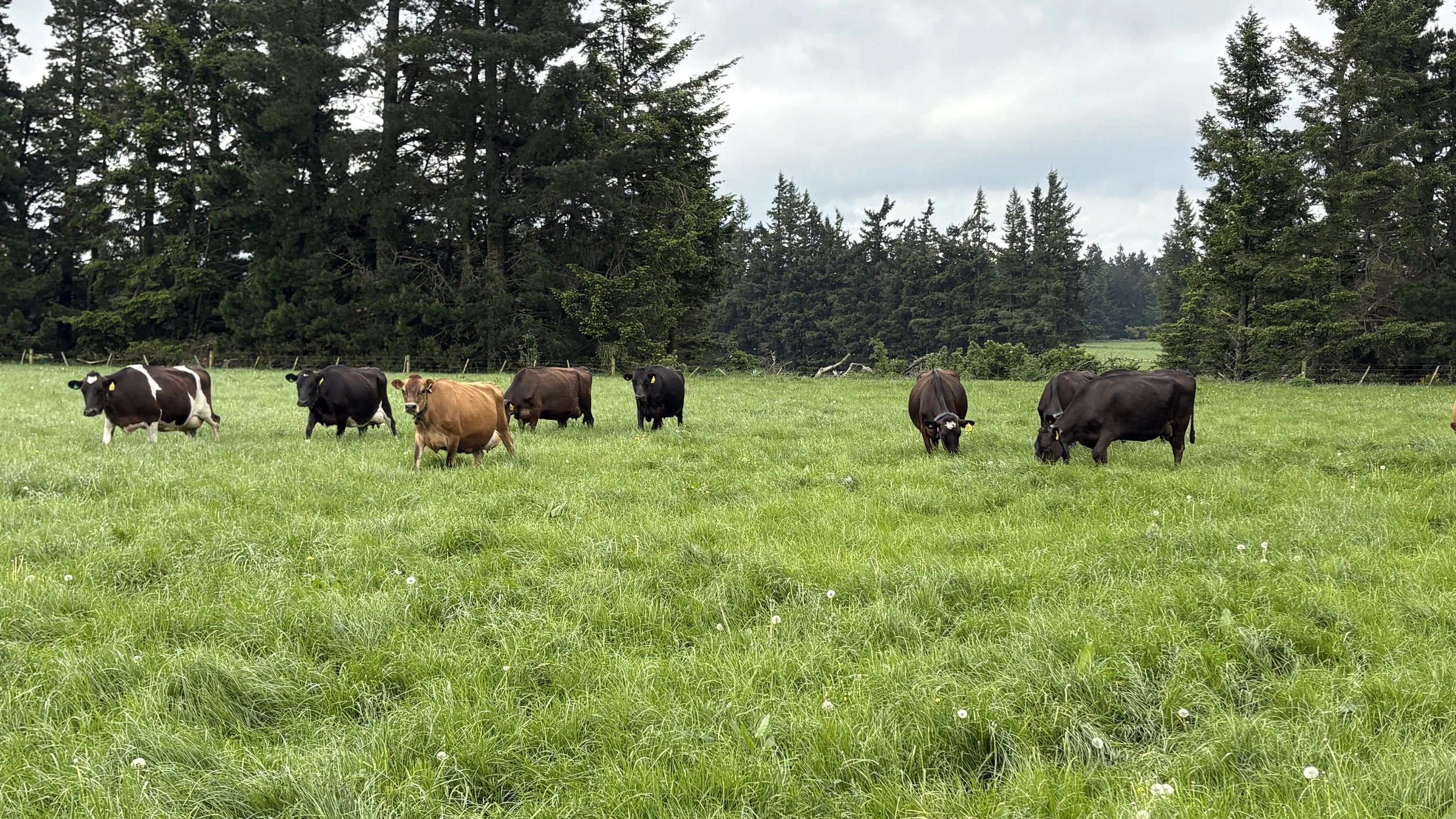
Moving Towards Organic Dairy? Building a Whole Biological System
Organic dairy is not simply conventional dairy with a few inputs removed. When done well, it is a whole-farm biological system built around soil health, pasture quality, rumen function, animal resilience, clean milk production, and long-term profitability.
The basic cycle is simple:
Healthy soil grows healthy forage.
Healthy forage feeds a healthy rumen.
A healthy rumen supports a healthy cow.
A healthy cow produces clean, valuable milk.
And a well-designed farm system keeps the business sustainable.
Organic is a system, not just a rulebook.
For many farmers, organics can sound like a list of restrictions: less synthetic nitrogen, fewer animal health tools, more paperwork and stricter input controls.
But the real opportunity is not just meeting certification rules. The opportunity is to build a farm that relies more on biology, prevention, observation, and timing.
Before a farm moves towards organics, the key question is not only:
Can this farm certify?
The better question is:
Is this farm biologically ready?
Soil is the engine room.
In an organic dairy system, the soil has to do more of the work. It needs to cycle nutrients, support clover and legumes, grow resilient pasture, handle effluent well, and recover from grazing and weather pressure.
Good organic dairy soil should have:
· Good structure and drainage
· Active roots and earthworms
· Balanced pH and minerals
· Strong clover and biological nitrogen cycling
· Good organic matter and carbon flow
· Low compaction and pugging pressure.
The plant captures sunlight, turns it into sugars, and sends some of those sugars through the roots to feed soil biology. This is often called the liquid carbon pathway. When plants are overgrazed too often, photosynthesis drops, root growth slows, soil biology receives less feed, and nutrient cycling weakens.
That is why grazing management is so important.
Don’t punish the solar panel.
Pasture leaves are the farm’s solar panels. If they are grazed too low, too often, the plant has less ability to regrow, feed roots and support soil biology.
Organic grazing needs to focus on recovery, not just residuals.
That means watching:
· Pre-graze cover
· Residual cover
· Round length
· Soil moisture
· Pugging risk
· Clover recovery
· Root depth
· Pasture species balance.
The aim is not to waste grass. The aim is to leave enough plant material behind so that the next round of growth is strong, healthy, and biologically supported.
Forage quality drives rumen health.
In organic dairy, dry matter alone is not enough. The cow needs a balanced ration, and the rumen microbes need the right mix of energy, protein, fibre, minerals and clean water.
Useful forage testing includes:
· Dry matter
· ME/energy
· Crude protein
· NDF and ADF fibre
· Sugars
· Calcium, phosphorus, magnesium, potassium, sodium and sulphur
· Key trace elements.
Lush pasture may look excellent, but still be out of balance. High protein without enough fermentable energy can lead to loose manure, high milk urea, poor nitrogen efficiency and fertility pressure. High potassium can also increase magnesium-related metabolic risk, especially around calving.
The cow will usually tell us if the ration is right.
Good signs include steady cud chewing, firm but not dry manure, good body condition, strong cycling, low SCC, low lameness and consistent milk protein.
Hidden toxins and biological drag.
Organic systems rely heavily on biology, so we need to be careful about anything that quietly suppresses it.
This includes more than obvious chemicals.
A good organic dairy audit should look at:
· Water quality: sodium, chloride, sulphate, nitrate, iron, manganese, E. coli and hardness
· Dairy cleaners and sanitisers
· Chlorine, iodine, caustic, acid, peroxide and quaternary ammonium products
· Poor rinsing or chemical carryover into effluent
· Brought in compost, straw, hay, bedding or feed
· Persistent herbicide residues
· Mouldy silage or mycotoxins
· Old dump sites, treated timber, oils, batteries and workshop waste
A useful rule is:
Organic approval tells us what is allowed. Biology tells us what is tolerated.
Stocking rate must match biological carrying capacity.
Stocking rate is one of the biggest levers in organic dairy. If cow numbers are too high for the farm’s natural feed supply, the whole system comes under pressure.
Overstocking can show up as:
· Grazing too low
· Short round lengths
· Poor pasture recovery
· Weak clover
· More pugging
· More bought-in feed pressure
· Thin cows
· Poor fertility
· Higher SCC
· More lameness
· Higher animal health costs
In organic dairy, stocking rate should be matched to soil type, pasture grown, pasture harvested, wintering, cow liveweight, milking frequency, labour, supplement availability and financial targets.
Sometimes, the most resilient system is not the one with the most cows. It is the one where cow demand matches what the farm can biologically grow and financially sustain.
Profit still matters.
Organic dairy has to be profitable. The organic milk premium is important, but it should not hide a weak system.
Important KPIs include:
· Operating profit per hectare
· Operating profit per kgMS
· Farm working expenses per kgMS
· Breakeven milk price
· Supplement cost per kgMS
· Animal health cost per cow
· Replacement rate
· Empty rate
· SCC and mastitis cases
· Pasture harvested per hectare
· Debt servicing ability
· Cash surplus
The best organic dairy systems are where the biology and the economics are pulling in the same direction.
The transition question.
For farmers considering organics, the goal should not be to convert first and fix problems later.
The better pathway is:
1. Understand the current farm system
2. Test soil, forage, water and key animal health indicators
3. Review stocking rate, grazing and milking pressure
4. Identify hidden biological stress points
5. Reduce dependence on rescue inputs
6. Build pasture, rumen and cow resilience
7. Then consider formal organic certification with confidence.
Organic dairy is not a step backwards. When done well, it is a move towards a more observant, biological, and resilient farming system.
The key is to build the system before relying on it.
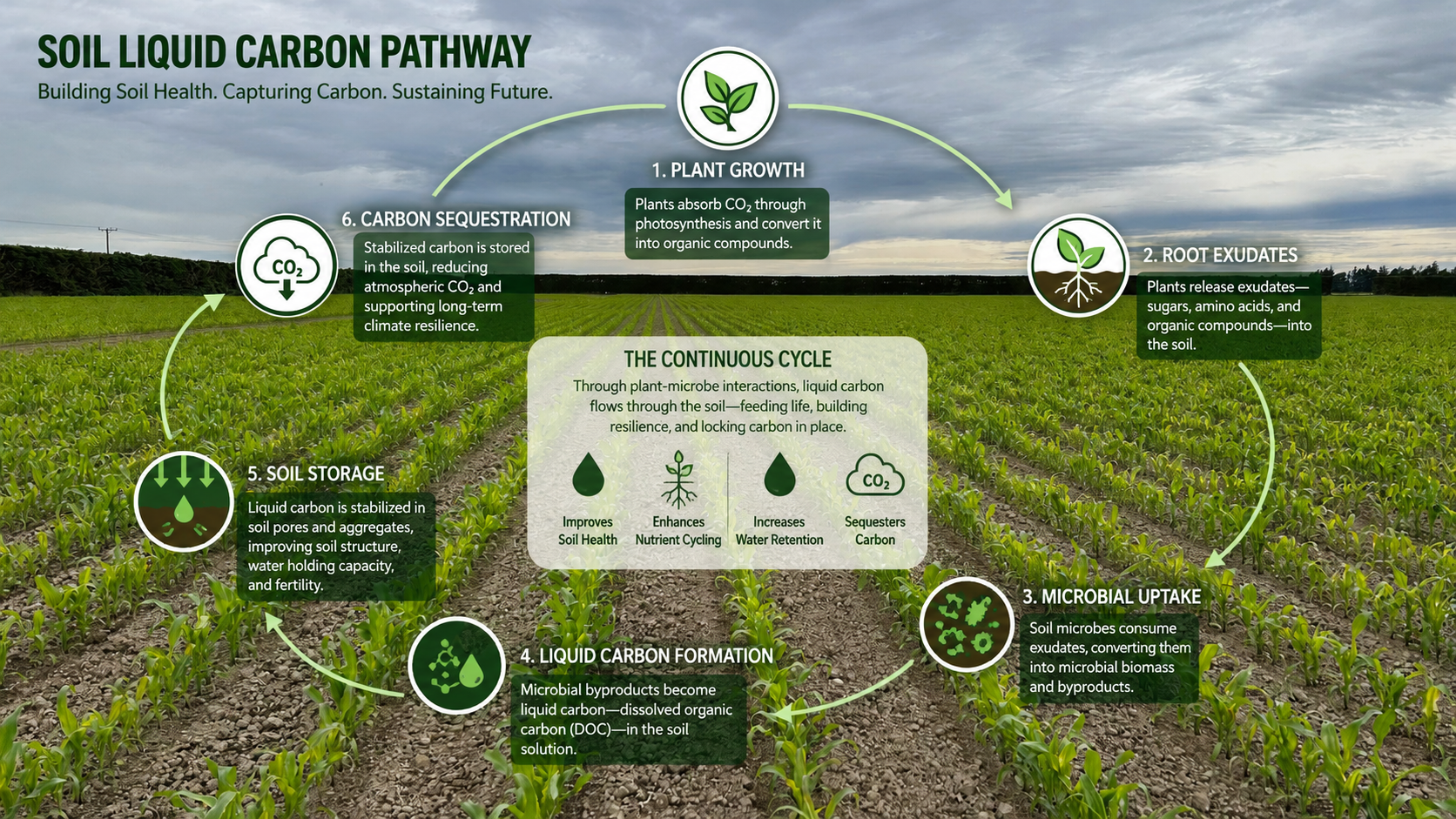
The Liquid Carbon Pathway: Nature's Engine for Soil Health and Farm Productivity
Beyond Fertilsers
Looking Beyond Fertiliser.
For decades, agricultural productivity has focused heavily on supplying nutrients to plants. While nutrients remain essential, modern soil science is increasingly recognising another critical driver of productivity: carbon.
Not the carbon stored in organic matter alone, but the continuous movement of carbon through living plants and into the soil. This process, known as the Liquid Carbon Pathway, may be one of the most important biological processes on your farm.
What is the Liquid Carbon Pathway?
Plants capture sunlight through photosynthesis and convert atmospheric carbon dioxide into sugars.
Many people assume these sugars are used solely for plant growth. In reality, a significant proportion is transported underground through the root system.
Plants release carbon-rich compounds known as root exudates into the soil. These liquid carbon compounds feed billions of microorganisms living around plant roots.
This creates a highly active biological zone known as the rhizosphere.
Feeding the Underground Workforce.
The microorganisms fed by root exudates perform valuable services for the plant.
They help:
Unlock nutrients from the soil
Improve nutrient cycling
Build soil structure
Increase water-holding capacity
Suppress certain soil-borne diseases
Support root development.
The plant effectively invests carbon into the soil and receives nutrients and biological services in return.
Building Stable Soil Carbon.
One of the most exciting discoveries in recent years is that much of the stable carbon found in healthy soils originates not from decaying plant material, but from biological activity associated with living roots.
When microbes process root exudates, some of that carbon becomes incorporated into stable soil carbon compounds.
This means productive pastures are not simply harvesting sunlight above ground—they are also building soil below ground.
Why Continuous Living Cover Matters.
The Liquid Carbon Pathway only functions when plants are actively growing.
Every day that bare soil is exposed represents a day when:
No photosynthesis is occurring
No carbon is entering the soil
Soil biology receives less energy
Soil structure development slows.
Maintaining active, healthy plant cover for as much of the year as possible helps maximise carbon flow through the system.
The Farm-Level Benefits.
A well-functioning Liquid Carbon Pathway can contribute to:
Improved nutrient efficiency
Greater drought resilience
Better water infiltration
Enhanced soil aggregation
Increased biological activity
Improved pasture performance.
Ultimately, healthy carbon cycling helps create a more resilient and productive farming system.
Managing for Carbon Flow.
Farmers can encourage the Liquid Carbon Pathway by:
Maintaining soil fertility balance
Avoiding excessive soil disturbance
Supporting soil biological activity
Maximising photosynthetic leaf area
Encouraging year-round plant growth
Managing grazing to maintain plant recovery.
The goal is simple: capture more sunlight, convert more carbon, and feed more biology.
Because when carbon flows, the entire farming system becomes more productive.
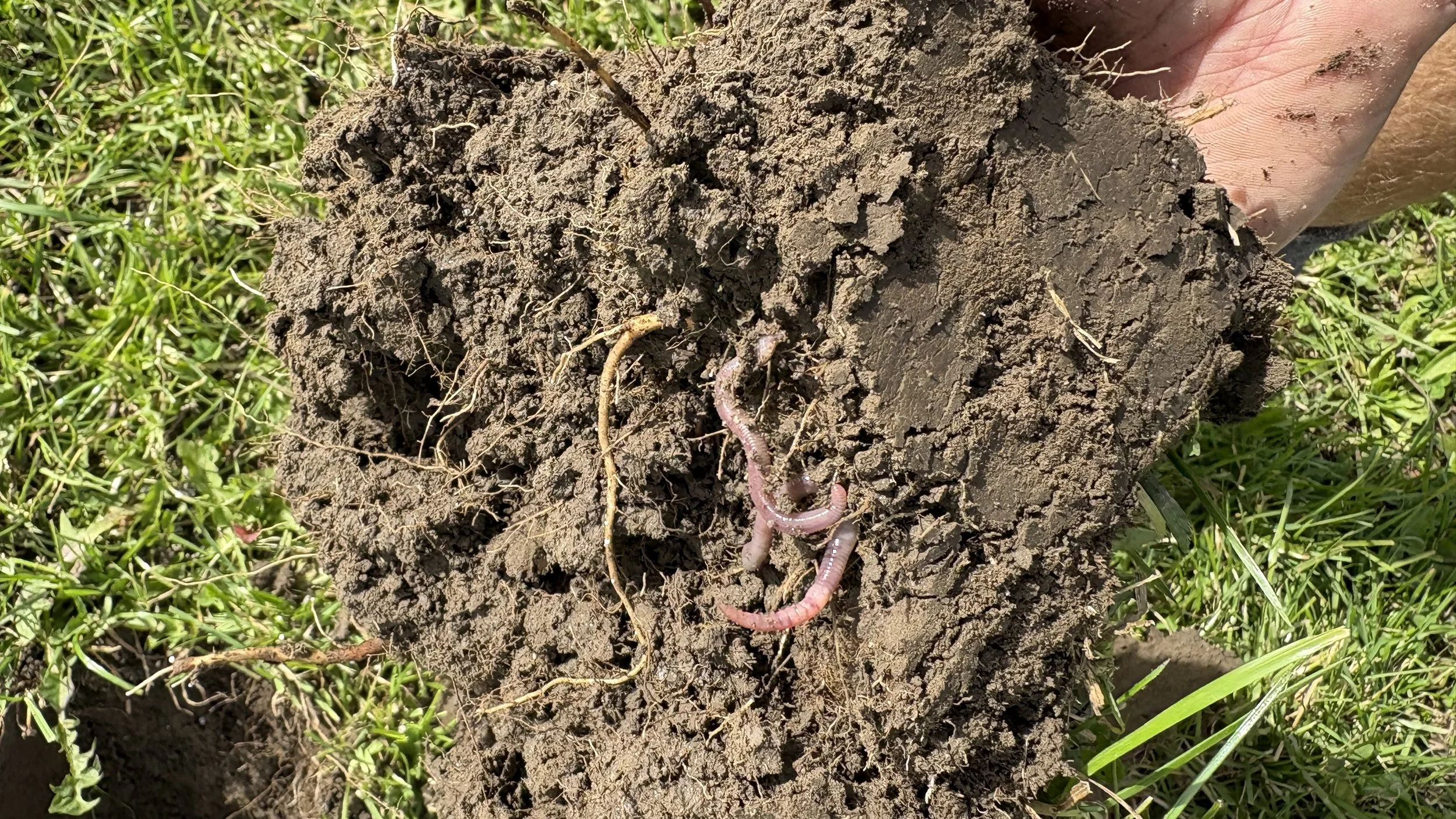
How Soil Biology Supports Nutrient Availability
The Living Engine Beneath Your Feet
Healthy soils contain billions of living organisms, including bacteria, fungi, protozoa, nematodes, earthworms, and countless other microbes.
Together, these organisms form a complex biological system that plays a critical role in nutrient cycling and soil function.
Turning Nutrients Into Plant Food
Many nutrients exist in forms that plants cannot immediately access.
Soil microorganisms help:
Break down organic matter
Release nutrients through mineralisation
Improve nutrient cycling
Increase nutrient availability
Support root interactions
Without biological activity, much of the nutrient potential within the soil remains unavailable.
The Relationship Between Roots and Biology
Plant roots actively feed soil microbes through the release of sugars and other compounds known as root exudates.
In return, microbes help plants access nutrients and water more efficiently.
This relationship is one of the most important drivers of healthy plant growth.
Factors That Influence Soil Biology
Biological activity is affected by:
Soil pH
Moisture levels
Organic matter
Soil temperature
Aeration
Nutrient balance
Healthy, well-structured soils generally support stronger biological activity.
Building a More Resilient System
Supporting soil biology is not about replacing fertiliser. It is about improving the efficiency of the entire soil system.
By combining balanced nutrition, good grazing management, organic matter inputs, and regular monitoring, farmers can create conditions where soil biology helps unlock greater productivity and resilience.
Understanding the living component of soil is essential for building sustainable, profitable farming systems.
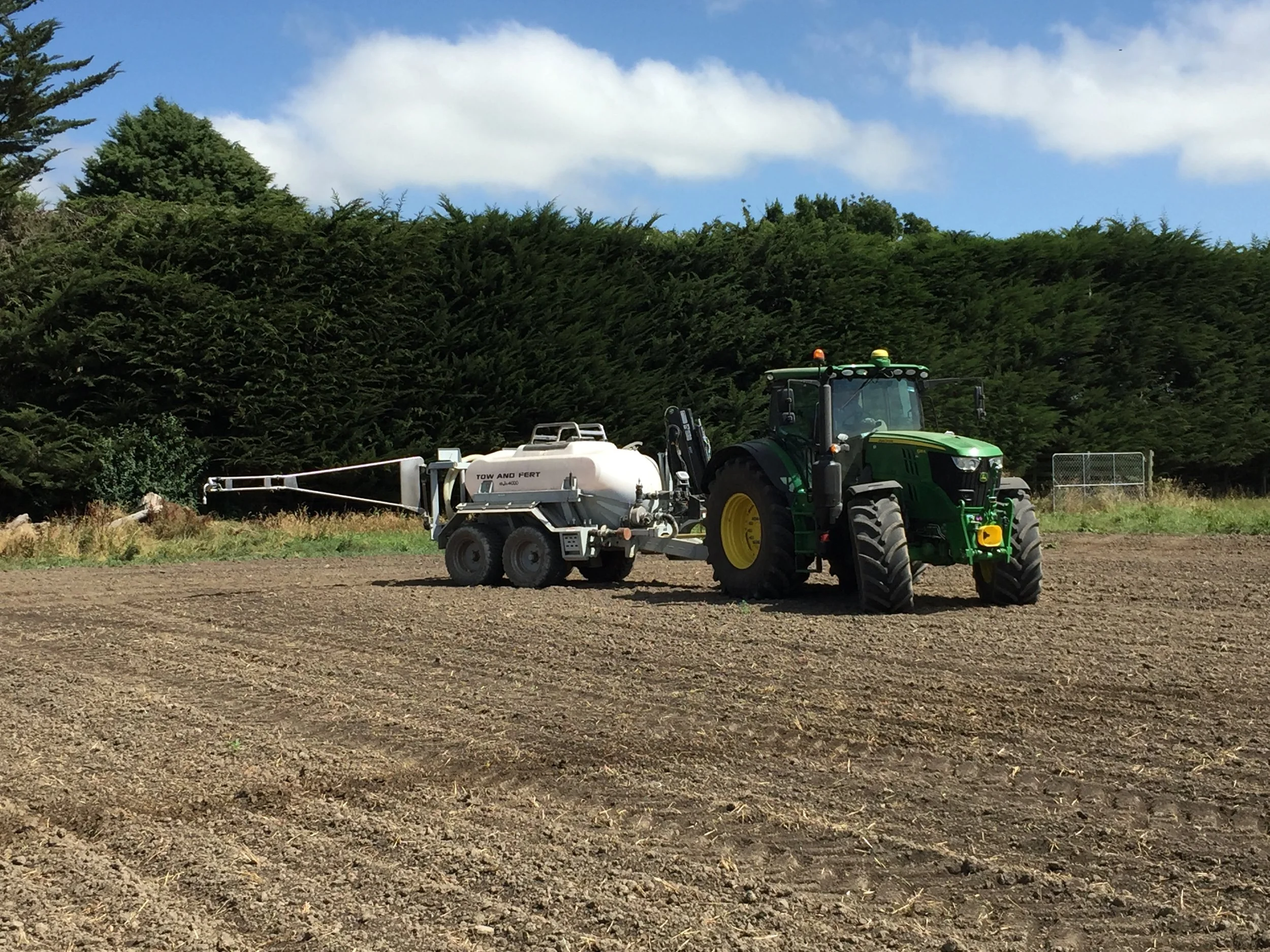
Why "Little and Often" Fertiliser Programs Can Work Better
It All Begins Here
Moving Away from Large Single Applications
Traditional fertiliser programs often involve applying large quantities of nutrients once or twice each year. While this approach can be effective, it may not always provide the best return on investment.
An alternative strategy is applying smaller amounts more frequently throughout the growing season.
Matching Plant Demand
Plants do not require all of their nutrients at once. Nutrient demand changes throughout the season as growth rates fluctuate.
Smaller, more frequent applications help match nutrient supply with plant demand, improving utilisation efficiency.
Reducing Nutrient Losses
Large applications increase the risk of:
Leaching
Runoff
Volatilisation
Nutrient tie-up
By applying nutrients in smaller amounts, the risk of losses can often be reduced.
Supporting Consistent Growth
Regular nutrient supply encourages steady growth rather than periods of rapid growth followed by nutrient shortages.
This can improve pasture quality, grazing management, and overall production consistency.
Better Cashflow and Flexibility
Little-and-often programmes also provide greater flexibility. Nutrient strategies can be adjusted throughout the season based on:
Weather conditions
Feed demand
Soil test results
Market conditions
This allows fertiliser investment to remain aligned with changing farm objectives.
A Data-Driven Approach
The most successful fertiliser programmes are built on soil testing, monitoring, and clear production goals.
At Complex Agriculture, we often find that strategic, incremental nutrient applications provide more efficient nutrient use and stronger long-term soil performance than large infrequent applications.
Why Soil Testing Matters Before Applying Fertiliser
It All Begins Here
Better Decisions Start with Better Information
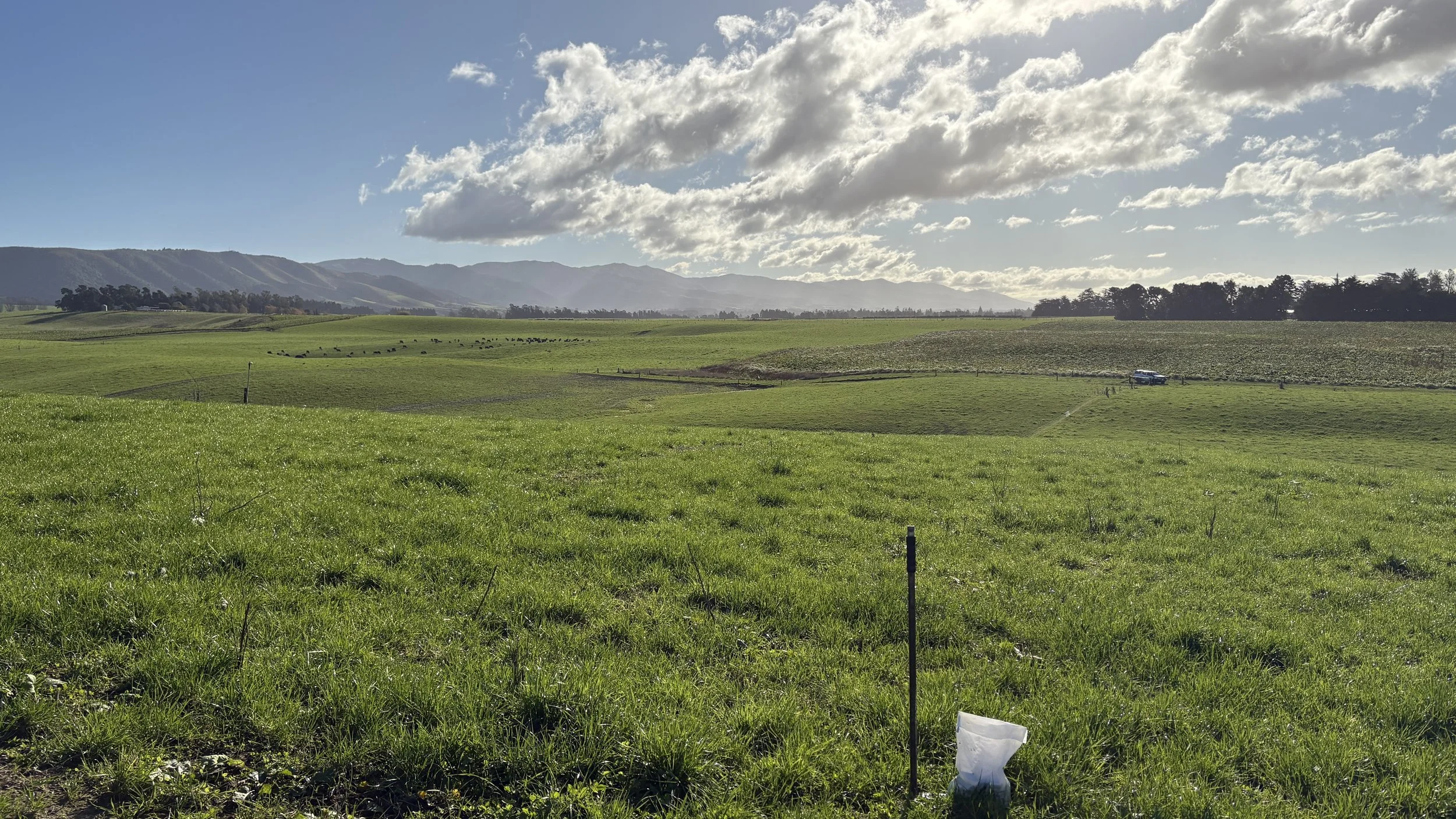
Applying fertiliser without first understanding your soil can be an expensive guessing game. While fertiliser is one of the largest investments in any farming operation, many nutrient decisions are still made based on habit, historical practice, or what has worked in the past.
A soil test provides a clear picture of what is happening beneath the surface. It identifies nutrient deficiencies, excesses, pH issues, and imbalances that may be limiting pasture or crop performance. With this information, fertiliser applications can be targeted to deliver the greatest return on investment.
More Than Just NPK
Many farmers focus primarily on nitrogen, phosphorus, and potassium. While these nutrients are essential, they are only part of the picture.
A comprehensive soil test can reveal:
Soil pH
Calcium levels
Magnesium levels
Potassium levels
Sulphur availability
Trace element status
Cation balance
Organic matter levels
These factors influence how effectively plants can access nutrients and how well soils perform under grazing, cultivation, and environmental stress.
Saving Money Through Precision
Applying nutrients that are already abundant in the soil wastes money and can create further imbalances. Conversely, failing to address genuine deficiencies limits production and reduces the efficiency of other fertiliser inputs.
Soil testing allows fertiliser programmes to be tailored to actual requirements, ensuring every dollar spent contributes toward production goals.
Building Long-Term Soil Health
Regular testing helps track changes over time. Rather than reacting to problems after they appear, farmers can identify trends and make proactive management decisions that support long-term productivity.
At Complex Agriculture, we recommend soil testing as the foundation of every nutrient management programme. Understanding your soil is the first step toward improving performance above it.
Understanding Calcium, Magnesium and Soil Structure
It All Begins Here
The Foundation of Productive Soils
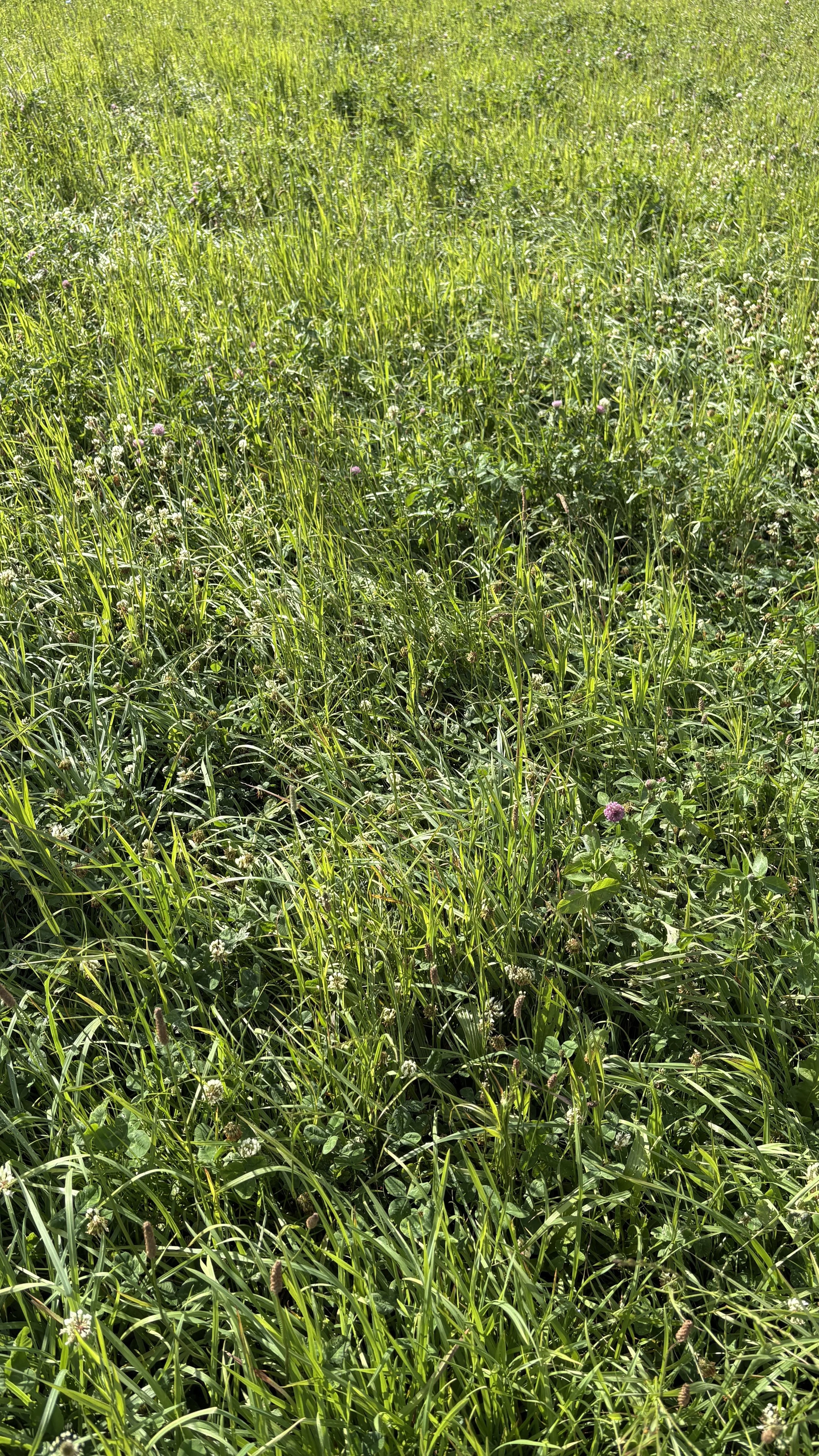
Healthy soils are more than just a source of nutrients. They provide the physical environment where roots grow, water moves, and soil biology thrives.
Two of the most influential minerals affecting soil structure are calcium and magnesium.
The Role of Calcium
Calcium is often referred to as the "structural nutrient" because of its impact on soil aggregation.
Adequate calcium helps:
Create stable soil aggregates
Improve air movement through the soil
Enhance water infiltration
Support root development
Improve biological activity
Well-structured soils are easier to manage and more resilient during both wet and dry conditions.
The Role of Magnesium
Magnesium is essential for plant growth and is the central atom in chlorophyll, making it critical for photosynthesis.
However, excessive magnesium levels can contribute to:
Tight soil structure
Reduced drainage
Poor aeration
Increased compaction risk
Like many nutrients, balance is more important than simply achieving high levels.
Why Balance Matters
Calcium and magnesium occupy exchange sites within the soil. The ratio between them influences soil physical properties and nutrient availability.
Where magnesium dominates, soils may become dense and difficult to work. Where calcium levels are adequate, soil structure generally improves, supporting better root growth and water movement.
Practical Management
The most effective way to assess calcium and magnesium status is through soil testing. Results can then be used to develop targeted nutrient programmes that improve both soil function and plant performance.
Improving soil structure is not an overnight process, but consistent management can deliver significant long-term benefits.
Foliar Feeding: When It Works and When It Doesn't
It All Begins Here
A Valuable Tool, Not a Silver Bullet
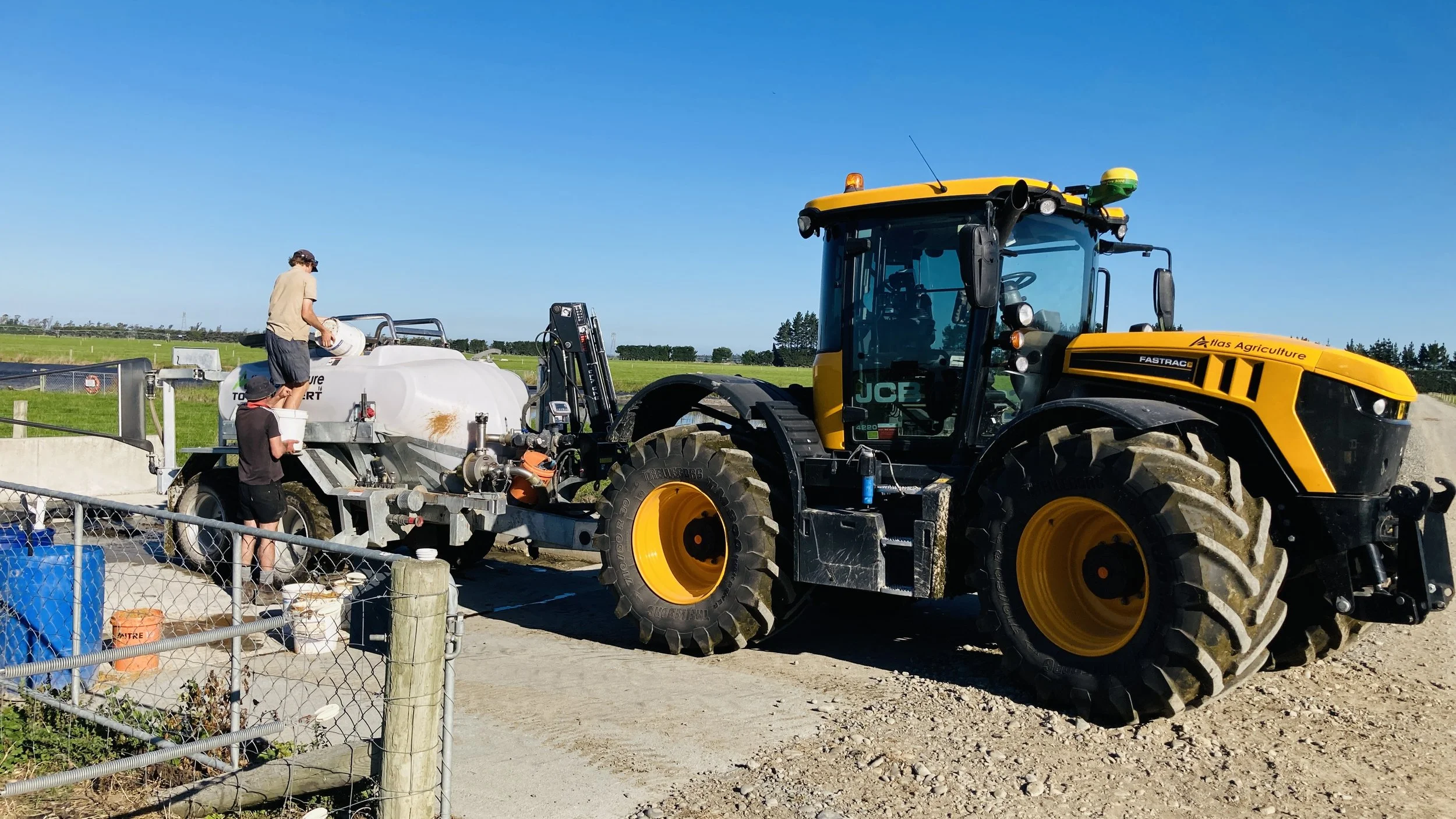
Foliar feeding involves applying nutrients directly to plant leaves where they can be absorbed and utilised rapidly.
When used correctly, foliar nutrition can be an effective tool for improving plant performance, correcting deficiencies, and supporting growth during key stages of development.
However, foliar feeding is not a replacement for a balanced soil fertility programme.
When Foliar Feeding Works Well
Foliar applications are particularly effective when:
Rapid correction of deficiencies is required
Root activity is limited by cold or wet soils
Nutrient demand temporarily exceeds soil supply
Trace elements are needed in small quantities
Plants are under environmental stress
Because nutrients bypass the soil, uptake can occur much faster than with conventional fertiliser applications.
Limitations of Foliar Feeding
Despite its advantages, foliar feeding has limitations.
Plants require large quantities of nutrients such as nitrogen, potassium, calcium and sulphur throughout the growing season. The leaf surface can only absorb limited amounts of these nutrients at any one time.
As a result, foliar feeding works best as a supplement rather than a replacement for soil-applied fertilisers.
Application Matters
Successful foliar programmes depend on:
Correct nutrient selection
Appropriate application rates
Suitable water volumes
Favourable weather conditions
Good spray coverage
Poor timing or incorrect application can significantly reduce effectiveness.
Integrating Foliar Nutrition
The most successful nutrient programmes combine strong soil fertility with strategic foliar applications. This approach ensures plants have both a solid nutrient foundation and access to rapid support when required.
The Role of Trace Elements in Pasture Performance
It All Begins Here
Small Nutrients, Big Impact
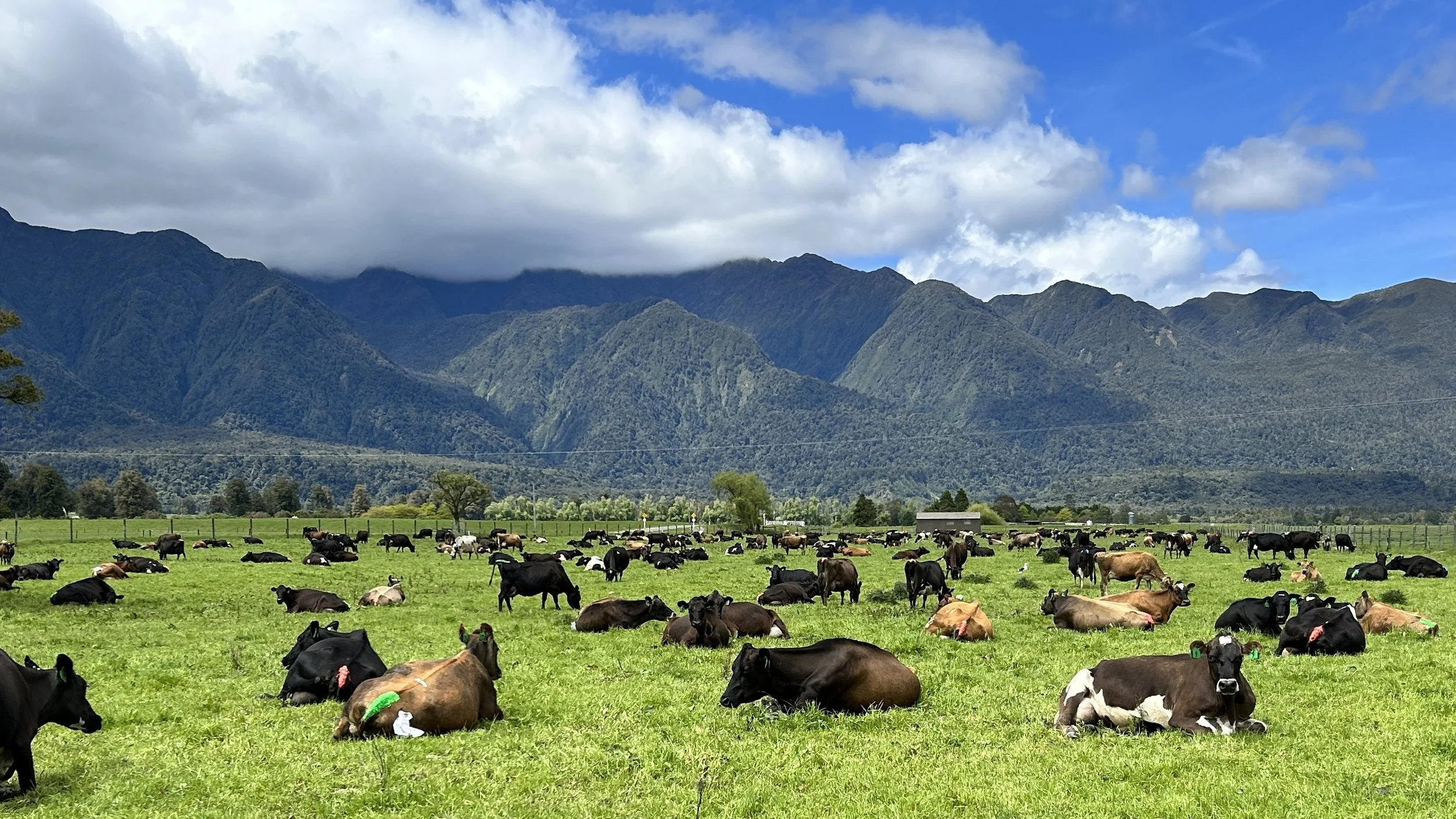
Trace elements are required in much smaller quantities than major nutrients, but their influence on pasture production can be significant.
Deficiencies may limit growth, reduce feed quality, and affect livestock performance even when major nutrients are adequate.
Important Trace Elements
Common trace elements involved in pasture production include:
Copper
Zinc
Boron
Manganese
Molybdenum
Cobalt
Selenium
Iron
Each plays a specific role in plant metabolism, enzyme function, and nutrient utilisation.
Hidden Hunger
Trace element deficiencies often go unnoticed because symptoms can be subtle.
Pasture may appear reasonably healthy while still suffering from reduced productivity, lower nutrient density, or decreased resilience to stress.
This phenomenon is often referred to as "hidden hunger".
Soil and Plant Testing
The best way to identify trace element deficiencies is through testing.
Soil tests provide useful information about availability, while plant tissue analysis shows what the plant is actually taking up.
Combining both provides a more complete understanding of nutrient status.
Targeted Correction
Because trace elements are required in small amounts, targeted applications are usually more effective and economical than broad-spectrum treatments.
Accurate testing allows deficiencies to be corrected before they impact production.